

For many aspiring entrepreneurs, buying a franchise offers an attractive path to business ownership. Instead of building a company from the ground up, franchise owners invest in an established brand, follow a proven business model, and receive ongoing support from an experienced franchisor.
However, while franchising offers several advantages, it is not the right choice for everyone. Franchise owners must also accept ongoing royalty fees, operational guidelines, and contractual obligations that may limit their flexibility compared with owning an independent business.
Understanding the pros and cons of owning a franchise is essential before making a significant financial commitment. The right decision depends on your investment budget, business experience, risk tolerance, management style, and long-term goals.
In this guide, we’ll explore the major advantages and disadvantages of franchise ownership, compare franchising with starting an independent business, and help you determine whether buying a franchise is the right investment for your future.
If you’re still learning how franchising works, read our complete guide to Buying a Franchise in Canada, where we explain the buying process, investment requirements, due diligence, and how to choose the right franchise opportunity.
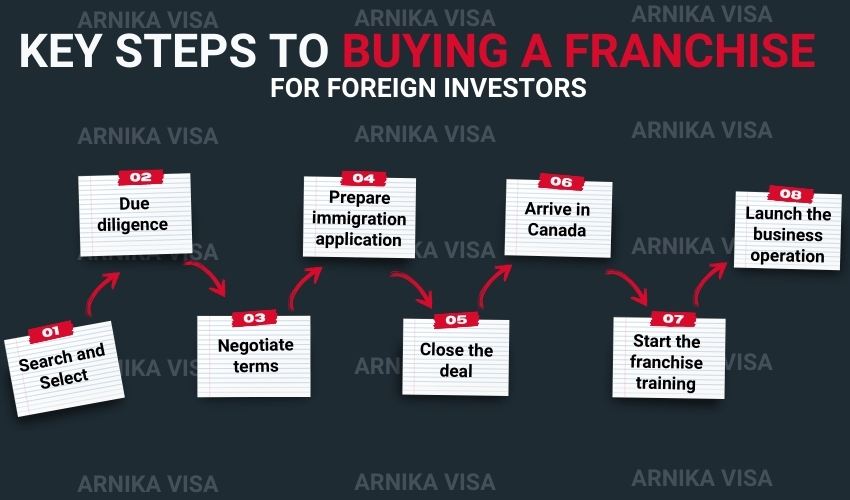
What Does It Mean to Own a Franchise?
A franchise is a business arrangement in which an entrepreneur purchases the right to operate under an established company’s brand and business system.
Instead of developing a new business model, franchise owners follow standardized operating procedures created by the franchisor. In return, they gain access to established branding, operational systems, training, marketing support, and supplier networks.
Most franchise agreements include:
- The right to use the franchise brand
- Initial training programs
- Operating manuals
- Marketing support
- Ongoing business assistance
- Access to approved suppliers
- Technology and management systems
In exchange, franchisees typically pay an initial franchise fee along with ongoing royalty and marketing fees.
Although franchise ownership reduces some of the uncertainty associated with starting a new business, not all franchise opportunities are the same. Some industries offer stronger brand recognition, better support systems, or greater growth potential than others. Explore our guide to the Best Franchises in Canada to compare leading franchise opportunities across multiple industries.
Advantages of Owning a Franchise
Franchising has become one of the most popular methods of business ownership because it combines entrepreneurship with the support of an established organization.
Below are some of the most significant benefits.
1. Established Brand Recognition
Building customer trust takes time.
One of the biggest advantages of buying a franchise is immediate access to an established brand that customers already recognize.
Well-known franchise systems often benefit from:
- Consumer confidence
- Existing customer loyalty
- National marketing campaigns
- Established market reputation
This can help franchise owners attract customers much faster than launching an entirely new brand.
2. Proven Business Model
Independent businesses often require years of testing and refinement.
Franchises, however, operate using systems that have already been tested across multiple locations.
This includes:
- Standardized operations
- Pricing strategies
- Marketing systems
- Employee training
- Supplier relationships
A proven business model reduces much of the trial-and-error commonly experienced by new business owners.
3. Comprehensive Training and Ongoing Support
Many first-time entrepreneurs worry about running a business without previous experience.
One of franchising’s greatest advantages is access to structured training and continuing operational support.
Depending on the franchise system, support may include:
- Initial business training
- Staff recruitment guidance
- Marketing assistance
- Technology systems
- Operational coaching
- Ongoing education
- Field support representatives
This support can significantly improve a franchisee’s confidence during the early stages of business ownership.
4. Easier Access to Financing
Financial institutions often view established franchise systems as lower-risk investments than completely new businesses.
Some franchisors also maintain relationships with lenders familiar with their business model.
As a result, qualified buyers may find it easier to obtain financing compared with launching an independent startup.
5. Purchasing Power
Large franchise networks frequently negotiate preferred pricing with suppliers.
This allows franchise owners to benefit from:
- Lower inventory costs
- Better supplier agreements
- Consistent product quality
- Streamlined purchasing
These efficiencies may improve operational performance and profitability over time.
6. Lower Startup Risk
No business investment is risk-free.
However, franchises often reduce certain startup risks because entrepreneurs benefit from:
- Established operating procedures
- Existing brand awareness
- Tested marketing strategies
- Ongoing support
- Historical business performance
While success is never guaranteed, many entrepreneurs appreciate the additional structure provided by franchising.
7. Faster Market Entry
Launching a completely new business often requires months—or even years—of brand development.
Franchise owners can typically begin operating much sooner because many systems, suppliers, marketing materials, and operational procedures are already in place.
This allows entrepreneurs to focus more quickly on customer service and business growth. While franchising offers many advantages, some franchise systems generate stronger long-term returns than others. If profitability is your priority, compare our guide to the Top 10 Most Profitable Franchises in Canada before making an investment decision.
While franchising offers many advantages, not every franchise delivers the same return on investment. Explore our guide to the Top 10 Most Profitable Franchises in Canada to compare some of Canada’s strongest franchise opportunities.
Disadvantages of Owning a Franchise
Although franchising offers many benefits, entrepreneurs should also understand the potential challenges before making an investment.
The following considerations are common across many franchise systems.
1. Significant Initial Investment
Buying a franchise often requires substantial upfront capital.
Depending on the franchise, initial costs may include:
- Franchise fee
- Equipment
- Leasehold improvements
- Inventory
- Insurance
- Working capital
- Professional fees
Some nationally recognized franchise systems require investments well into the hundreds of thousands of dollars.
2. Ongoing Royalty and Marketing Fees
Unlike independent businesses, franchise owners generally pay recurring fees to the franchisor.
These may include:
- Royalty fees
- National marketing contributions
- Technology fees
- Renewal fees
Although these payments help fund brand development and ongoing support, they also reduce overall profitability.
3. Limited Operational Flexibility
One of the trade-offs of franchising is reduced independence.
Most franchisors require franchisees to follow detailed operational standards covering areas such as:
- Products and services
- Pricing policies
- Marketing materials
- Store design
- Supplier selection
- Customer experience
Entrepreneurs who value complete creative control may find these restrictions frustrating.
4. Dependence on the Brand
A franchise owner’s reputation is closely tied to the reputation of the entire franchise system.
Negative publicity affecting one location—or the franchisor itself—can influence customer perception across all franchise locations, even when individual owners maintain high standards.
5. Territory Restrictions
Many franchise agreements assign franchisees a defined operating territory.
While this can reduce direct competition from the same brand, it may also limit future expansion opportunities.
Before signing a franchise agreement, carefully review:
- Exclusive territory rights
- Expansion restrictions
- Online sales policies
- Multi-unit ownership opportunities
Understanding these terms early can help avoid future conflicts with the franchisor.
6. Long-Term Contractual Commitments
Franchise agreements are legally binding contracts that often remain in effect for many years.
These agreements may include provisions relating to:
- Contract renewal
- Performance standards
- Business transfers
- Early termination
- Non-competition clauses
Before signing, every franchise agreement should be reviewed by a lawyer experienced in franchise law.
Franchise vs. Starting Your Own Business
Many entrepreneurs compare franchise ownership with starting an independent business. Each option has advantages depending on your experience, goals, and preferred level of control.
Factor | Franchise | Independent Business |
|---|---|---|
| Brand Recognition | Established brand | Build your own brand |
| Business Model | Proven operating system | Create your own system |
| Training & Support | Extensive franchisor support | Self-directed learning |
| Marketing | National and local support | Responsible for all marketing |
| Operational Flexibility | Limited by franchise agreement | Complete control |
| Initial Risk | Generally lower due to proven systems | Typically higher during startup |
| Ongoing Fees | Royalties and marketing contributions | No franchise royalties |
| Growth Opportunities | Expansion within franchise system | Unlimited flexibility |
Neither option is inherently better. The right choice depends on your entrepreneurial style, financial resources, and long-term objectives.
Some entrepreneurs ultimately decide that purchasing an existing independent business better fits their goals. If you’re comparing both options, read our guide to Buy a Business in Canada before making your decision.
Who Should Buy a Franchise?
Franchising can be an excellent choice for entrepreneurs who value structure, support, and established business systems.
You may be well suited to franchise ownership if you:
- Prefer following proven business processes
- Appreciate ongoing operational support
- Want to reduce some startup uncertainty
- Have sufficient capital for the investment
- Enjoy managing people and operations
- Want to benefit from an established brand
- Plan to build a long-term business
Many successful franchise owners are experienced managers rather than industry experts. Strong leadership, customer service, and operational discipline often contribute more to success than technical expertise alone.
Once you’ve decided franchising is the right business model, the next step is choosing the right opportunity. Our guide to the Best Franchises in Canada compares leading brands across restaurants, retail, education, fitness, and service industries.
Looking for leading franchise opportunities? Explore our guide to the Best Franchises in Canada to compare businesses across food, retail, home services, education, and fitness.
Who May Prefer an Independent Business?
Franchising is not the ideal choice for every entrepreneur.
You may prefer starting your own business if you:
- Want complete creative control
- Plan to develop your own products or services
- Dislike following standardized procedures
- Prefer making independent marketing decisions
- Want to build your own brand identity
- Have a unique business concept
- Prefer maximum operational flexibility
Entrepreneurs with highly innovative ideas often find greater satisfaction building an independent business rather than operating within an established franchise system.
If you prefer complete independence and maximum flexibility, starting your own business may be a better option. Learn more in our guide to Starting a Business in Canada.
Questions to Ask Before Buying a Franchise
Before investing in any franchise, ask yourself the following questions:
- Does this business match my interests and experience?
- Can I comfortably afford the total investment?
- What ongoing royalty and marketing fees will I pay?
- What training and support does the franchisor provide?
- Is there sufficient demand in my target market?
- Have I spoken with existing franchise owners?
- What are the terms of the franchise agreement?
- What happens if I want to sell the business later?
- Can I eventually own multiple locations?
- Does this opportunity align with my long-term financial goals?
Taking the time to answer these questions can help you make a more informed investment decision.
For a complete step-by-step explanation of purchasing a franchise—from researching brands to signing the franchise agreement—read our Buying a Franchise in Canada guide.
Frequently Asked Questions
Is owning a franchise less risky than starting a business?
Franchises often reduce certain startup risks because they provide established brands, proven operating systems, and ongoing support. However, every business investment carries financial and operational risk.
What are the biggest advantages of owning a franchise?
Some of the main advantages include brand recognition, comprehensive training, proven business systems, purchasing power, marketing support, and easier access to financing.
What are the biggest disadvantages?
Common disadvantages include franchise fees, royalty payments, limited operational flexibility, contractual obligations, and dependence on the franchisor’s brand reputation.
Can I make changes to the franchise business model?
Generally, franchisees must follow the franchisor’s operating standards. The level of flexibility varies depending on the franchise agreement.
Are franchise fees worth paying?
For many entrepreneurs, franchise fees provide access to valuable training, brand recognition, supplier networks, and ongoing operational support. Whether they represent good value depends on the specific franchise system.
Can foreigners own a franchise in Canada?
Yes. Foreign nationals can generally purchase franchise businesses in Canada. International entrepreneurs should also review our detailed guide to Buying a Franchise in Canada as a Foreigner, which explains ownership rules, immigration considerations, financing, and legal requirements.
If they intend to actively manage the business while living in Canada, they may also need to qualify under an appropriate immigration program. Depending on your circumstances, you may also qualify under one of Canada’s Business Immigration pathways designed for entrepreneurs and investors.
Should I buy a franchise or an existing independent business?
Both options offer advantages. Franchises provide established systems and brand recognition, while independent businesses offer greater operational flexibility.
How can I evaluate whether a franchise is right for me?
Review the franchise agreement carefully, conduct thorough due diligence, speak with existing franchisees, assess your financial capacity, and ensure the business aligns with your long-term goals.
Continue Your Franchise Journey
If you’re still researching franchise ownership, these guides may help:
- Buying a Franchise in Canada – Complete step-by-step guide to purchasing a franchise.
- Best Franchises in Canada – Compare leading franchise opportunities across industries.
- Top 10 Most Profitable Franchises in Canada – Discover franchise sectors with strong long-term earning potential.
- Buying a Franchise in Canada as a Foreigner – Legal, financial, and immigration guidance for international investors.
- Buy a Business in Canada – Compare buying an existing business with franchise ownership.
- Canada Business Immigration – Explore Canadian immigration pathways for entrepreneurs.
- C11 Work Permit Canada – Learn about one of Canada’s most flexible entrepreneur work permit options.
Ready to Explore Franchise Opportunities?
Owning a franchise can be an excellent path to business ownership for entrepreneurs seeking an established brand, proven operating systems, and ongoing support. At the same time, it’s important to understand the financial commitments and operational responsibilities that come with franchise ownership.
If you’re considering investing in a Canadian franchise—particularly as an international entrepreneur—careful planning can help you choose the right business structure and immigration strategy.
At Arnika Visa, we help entrepreneurs evaluate franchise opportunities, purchase Canadian businesses, and develop business immigration strategies. For eligible entrepreneurs, we also provide guidance on the C11 Work Permit Canada, one of the most flexible LMIA-exempt pathways for business owners wishing to establish or acquire a Canadian business.
We assist entrepreneurs and investors with:
- Business immigration planning
- Franchise investment strategies
- C11 Work Permit applications
- Business acquisitions
- Immigration business plans
- Entrepreneur immigration consulting
Whether you’re comparing franchise opportunities or preparing to establish a business in Canada, our experienced team can help you develop a strategy tailored to your goals.
Book a consultation today to discuss your franchise and business immigration plans.


About the Author

Reza Eslami is a Regulated Canadian Immigration Consultant (RCIC) specializing in Canadian business immigration. He advises entrepreneurs, investors, and international companies on franchise investments, business acquisitions, C11 Work Permits, entrepreneur immigration, and business expansion into Canada.